Agriculture
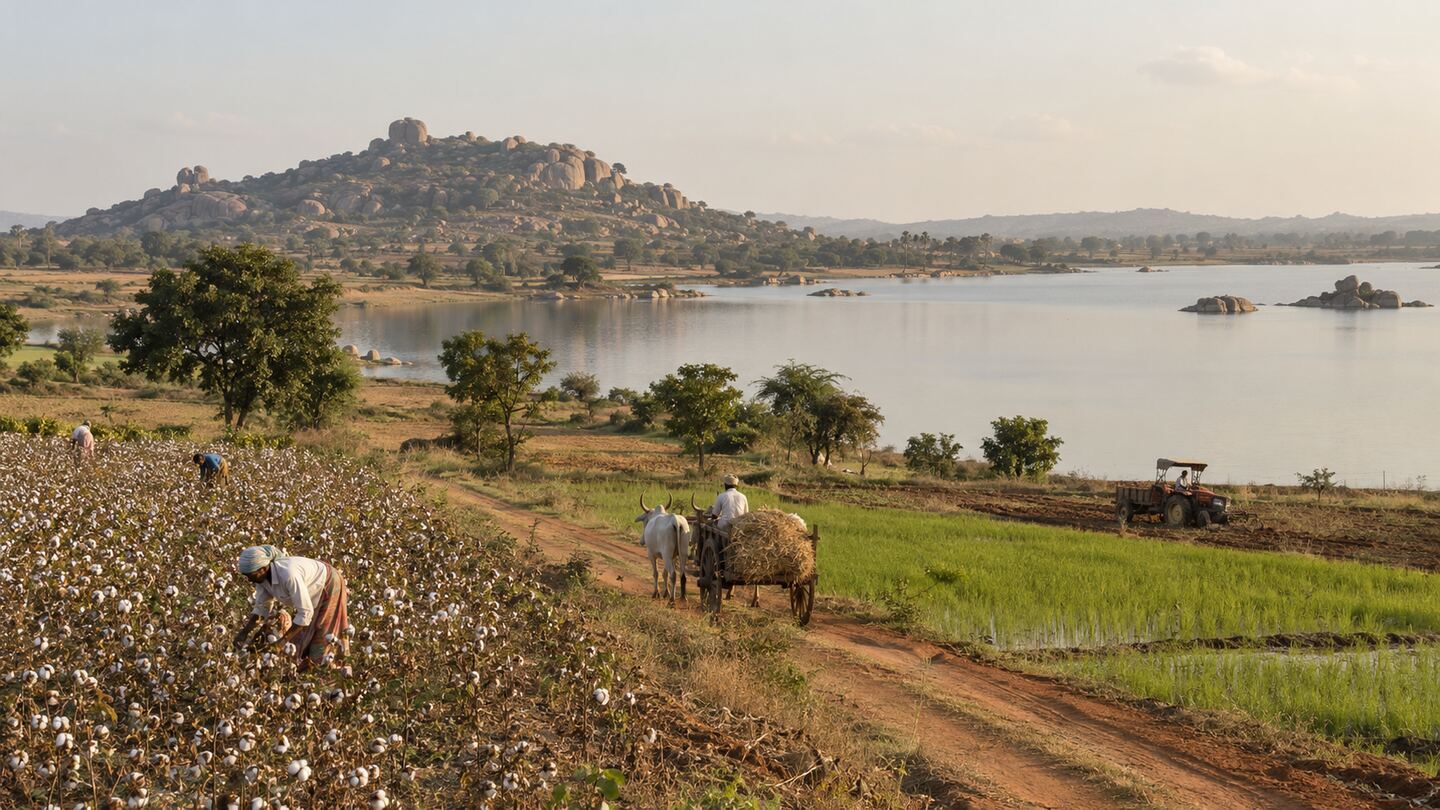
India produces large agricultural biomass streams while some regions face challenges around residue use, water, crop economics and soil health.
 Index
Index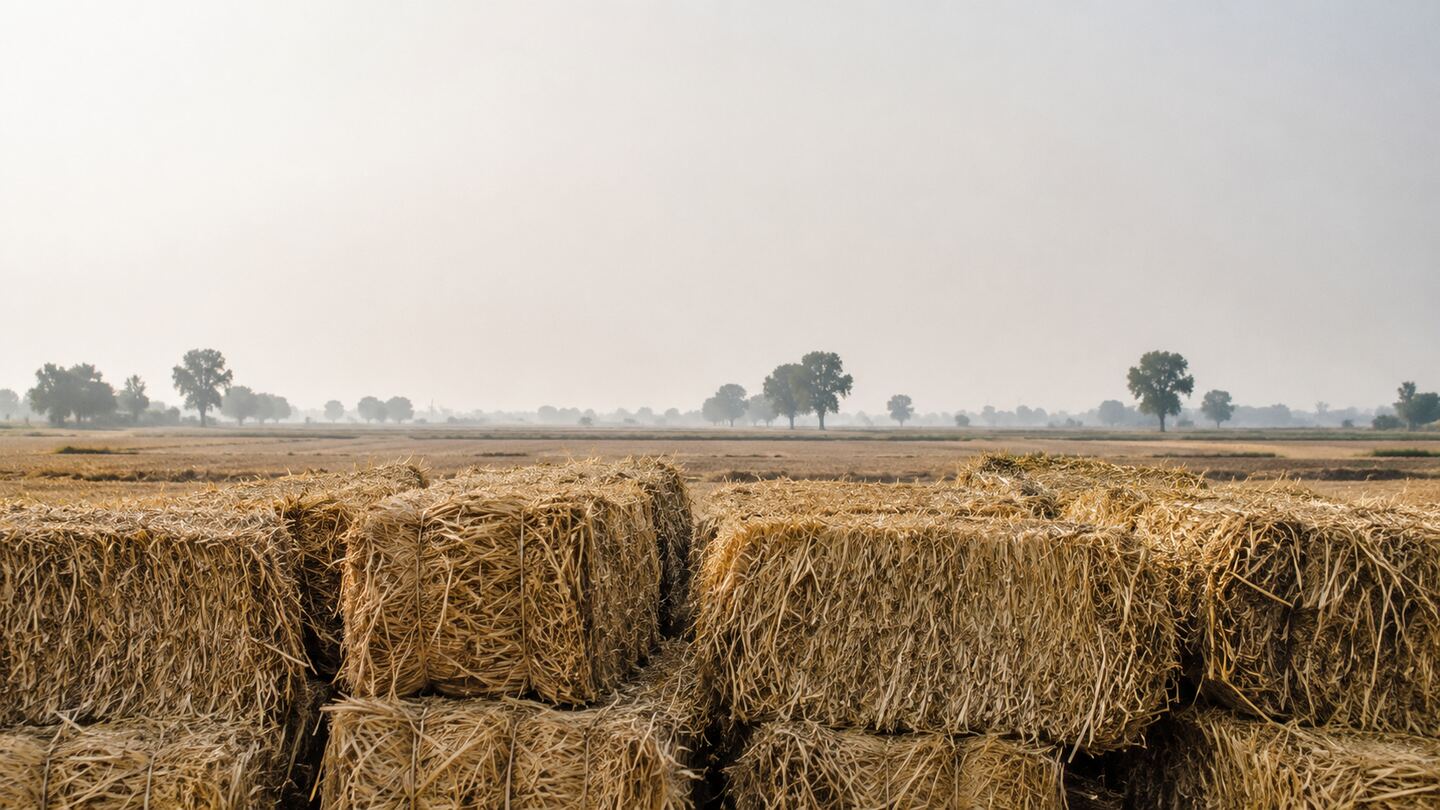
Energy. Agriculture. Carbon.
Agricultural context, Haryana · Paddy straw
GreenArc BioEnergy is building distributed bioenergy infrastructure that converts agricultural resources into renewable gas.Creating new possibilities for rural income, circular agriculture and measurable climate action.
IA measured ambition
Targets, not current capacity. No GreenArc plant is operating yet.
Haryana · Andhra Pradesh · Telangana → 1,000 TPD ambitionAmbition
IILand & opportunity
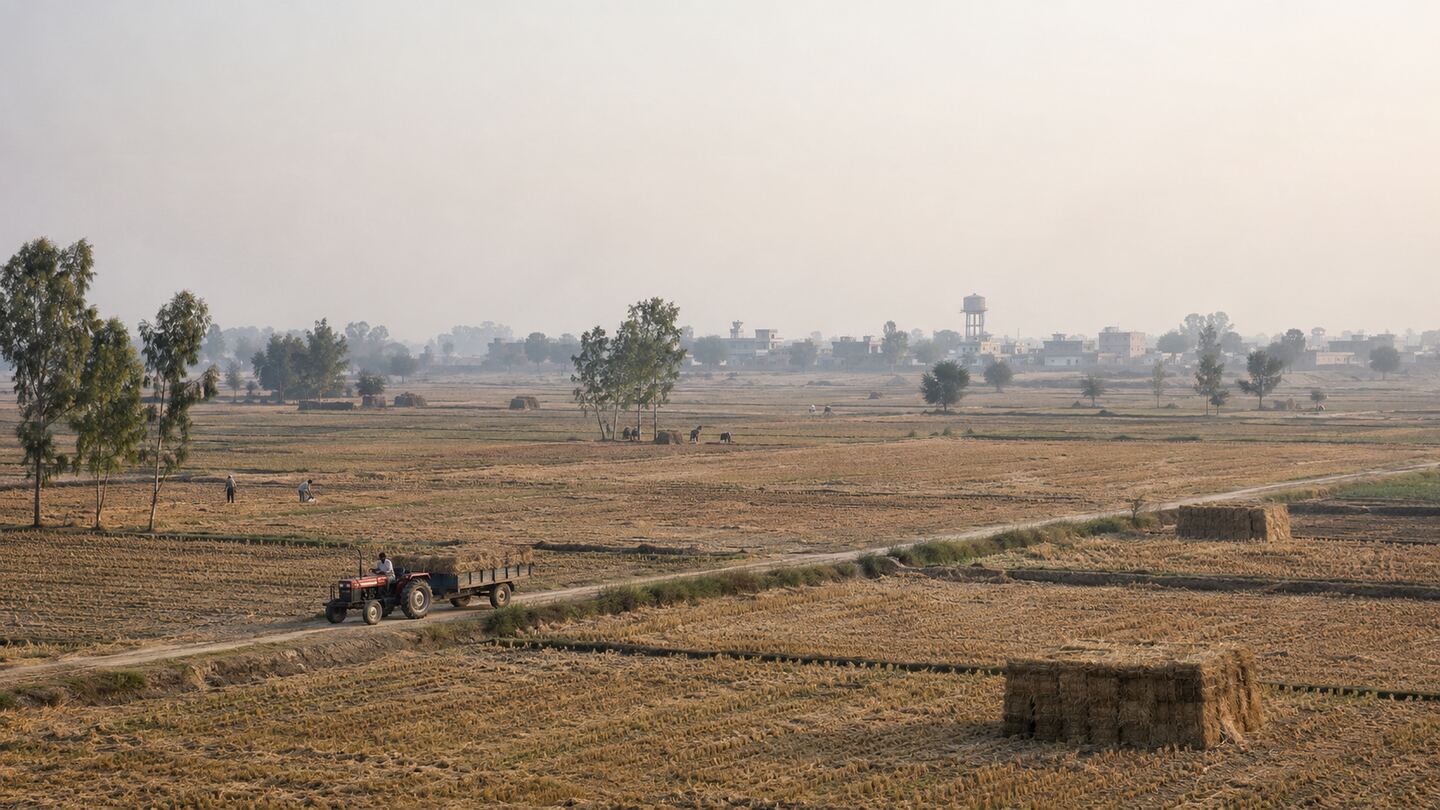
India produces large agricultural biomass streams while some regions face challenges around residue use, water, crop economics and soil health.
India's transition needs scalable domestic lower-carbon energy, including renewable gas.
Farmers and communities can participate in more value through residue markets, appropriate energy crops, nutrient circularity and climate programmes.
GreenArc connects these systems through distributed bioenergy infrastructure.
IIIThe circular model
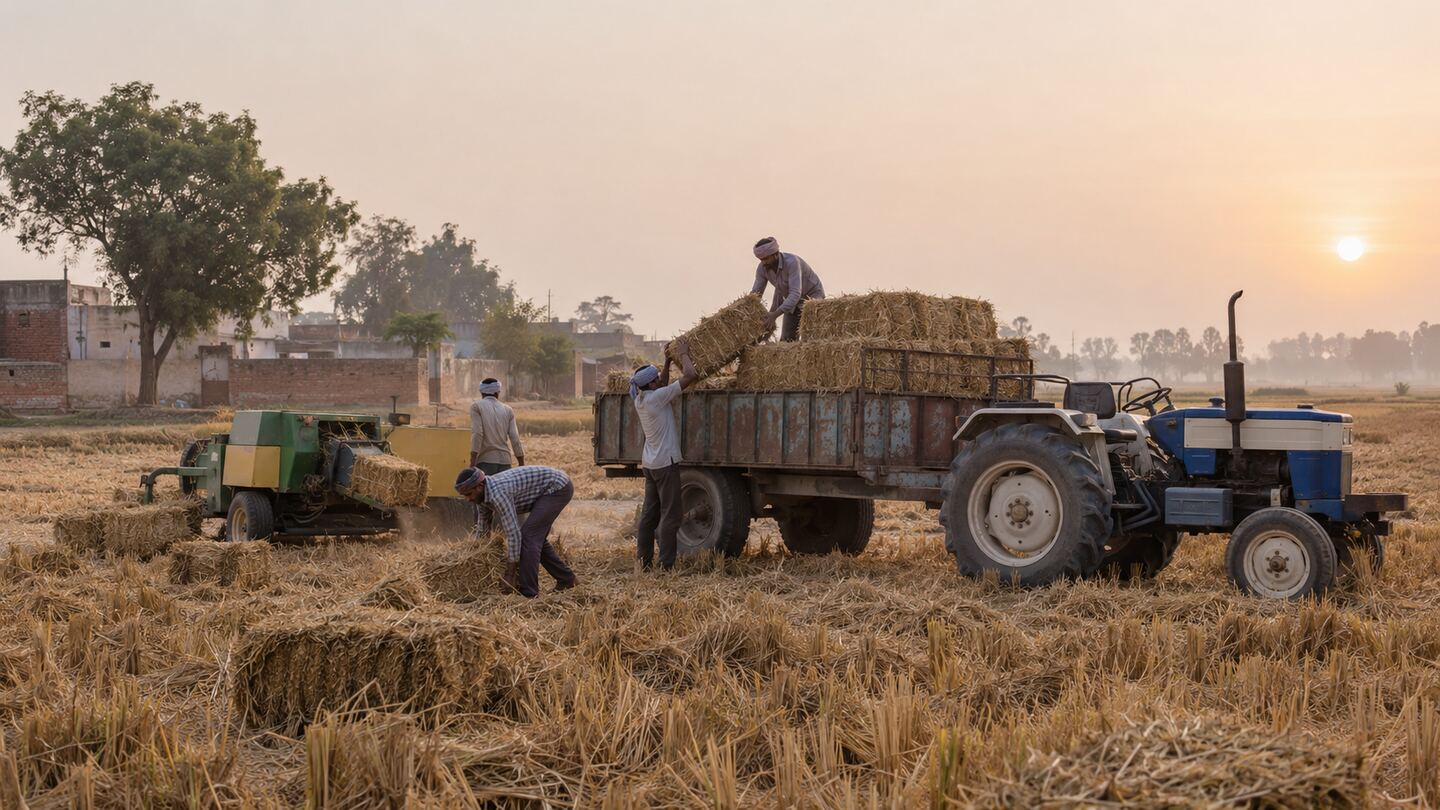
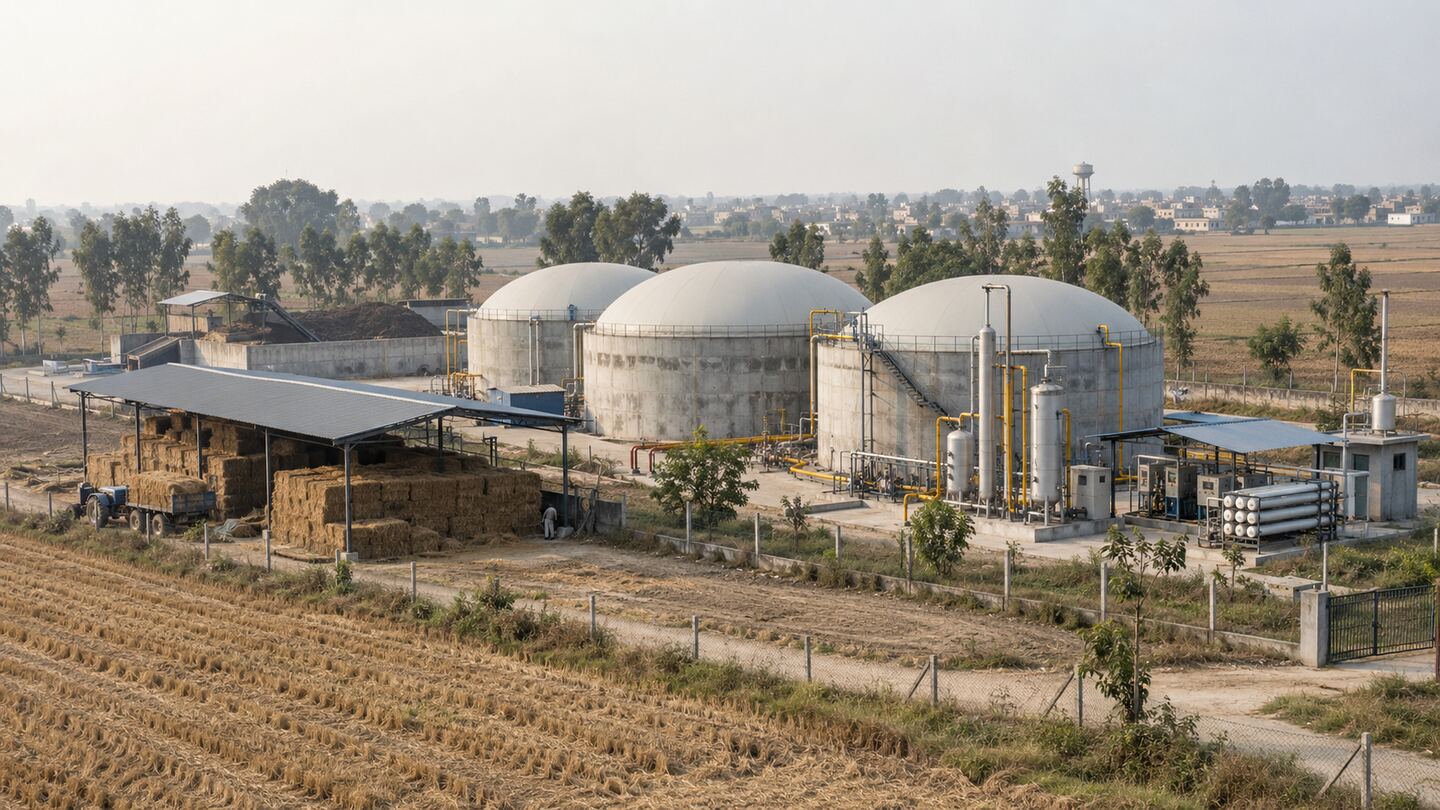
GreenArc develops CBG plants as anchors for local circular economies. Agricultural residues and appropriate energy crops enter the system. Renewable gas is intended to leave as clean energy. Nutrients can return to agriculture. New income can flow to farmers and local businesses. The surrounding agricultural network creates opportunities for additional climate interventions.
Core plant economics should be designed around energy and agricultural outputs. Carbon revenue is potential upside, not a substitute for viable project economics.
IVAgriculture, by place
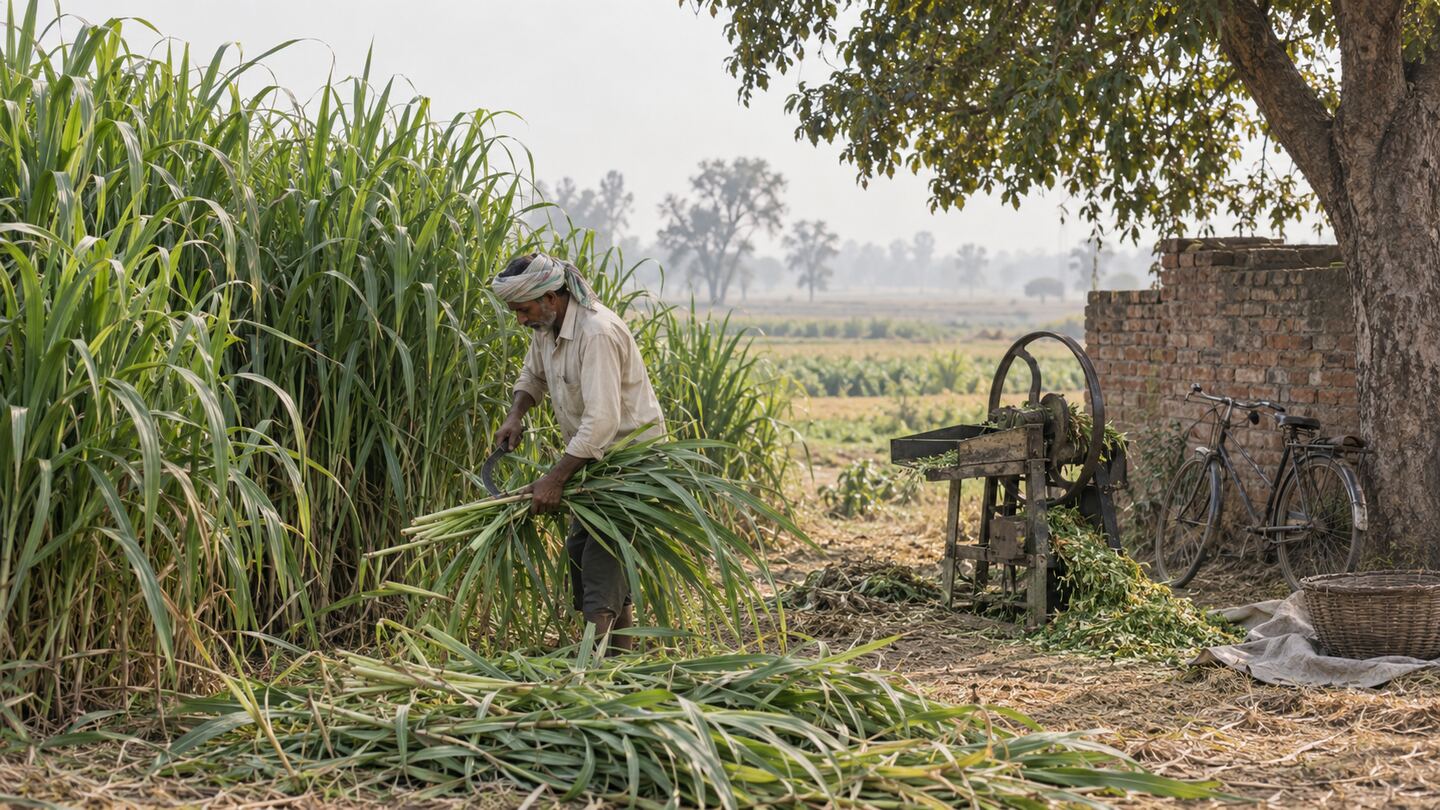
Create value from existing crop residues.
Evaluate appropriate crops such as Napier for dependable biomass demand, farmer income and resource efficiency.
Evaluate suitable marginal or underutilised land without compromising food security, biodiversity or community value.
Food first. Farmers first. Resources used better.
VLearning as infrastructure
GreenArc seeks to standardise site selection, feedstock intelligence, farmer engagement, technology selection, financing, construction, operations, gas offtake, FOM monetisation and climate MRV.
Every plant should make the next plant easier to build.
Turn field learning into repeatable practices and selectively share what can accelerate the wider CBG ecosystem.
VIOutcomes & possibilities
Renewable CBG intended to displace fossil gas.
Potential avoided burning, methane reduction and additional carbon interventions.
Residue income, crop diversification, logistics, employment and potential climate-linked revenue.
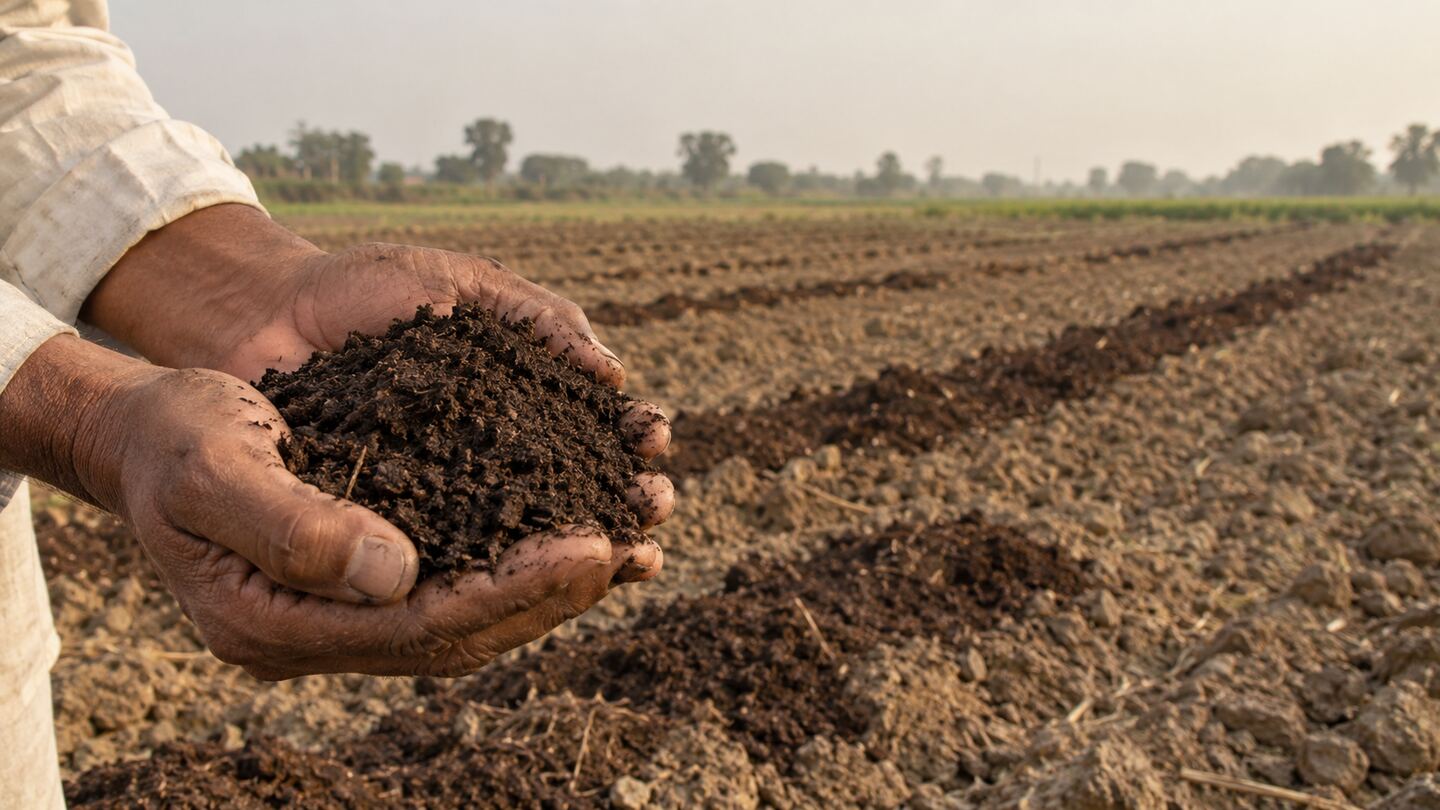
Designed to return nutrients and organic matter to agriculture.
Locally validated practices and crop choices that may reduce resource intensity.
Methane-reducing paddy cultivation with credible MRV.
Suitable residual biomass for durable carbon storage and soil use.
Capture, utilisation or sequestration around gas upgrading.
Potential carbon-removal integration with participating land.
Core plant economics should be designed around energy and agricultural outputs. Carbon revenue is potential upside, not a substitute for viable project economics.
VIIAn invitation
We're building the infrastructure to connect them.
GreenArc BioEnergy — 1,000 TPD ambition · ~100 plants · One replicable rural climate platformAmbition
Partner With GreenArc
We work with climate and infrastructure investors, lenders, strategic partners and ecosystem organisations. Tell us who you are and how you would like to work together.
Send us a note and we'll reply by email.
info@greenarcbio.com